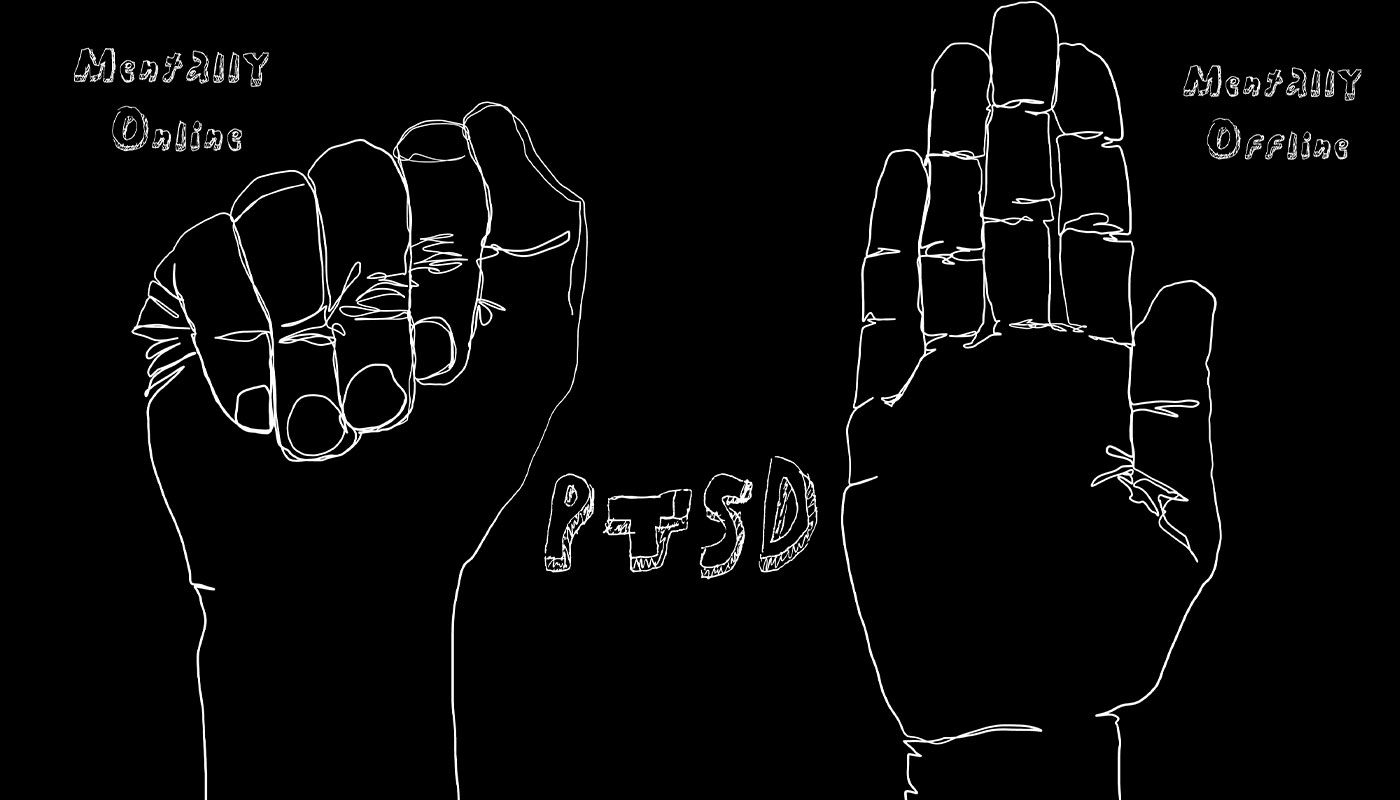
A Fist that Explains PTSD
I think that These pages should be pretty short. A simple langage explination of the topic. Header, one or two line intro, bullet points or list, and then a few paragraphs that explains things, done.
Symptoms of PTSD fall into four categories.
- Intrusive thoughts such as repeated, involuntary memories; distressing dreams; or flashbacks of the traumatic event.
- Avoiding reminders of the traumatic event may include avoiding people, places, activities, objects and situations that may trigger distressing memories.
- Inability to remember important aspects of the traumatic event, negative thoughts and feelings leading to ongoing and distorted beliefs about oneself or others (e.g., “I am bad,” “No one can be trusted”).
- Arousal and reactive symptoms may include being irritable and having angry outbursts; behaving recklessly or in a self-destructive ways.
Posttraumatic stress disorder (PTSD) is a psychiatric disorder that may occur in people who have experienced or witnessed a traumatic event such as a natural disaster, a serious accident, a terrorist act, war/combat, or rape or who have been threatened with death, sexual violence or serious injury.
PTSD has been known by many names in the past, such as “shell shock” during the years of World War I and “combat fatigue” after World War II, but PTSD does not just happen to combat veterans. PTSD can occur in all people, of any ethnicity, nationality or culture, and at any age. PTSD affects approximately 3.5 percent of U.S. adults every year, and an estimated one in 11 people will be diagnosed with PTSD in their lifetime. Women are twice as likely as men to have PTSD. Three ethnic groups – U.S. Latinos, African Americans, and American Indians – are disproportionately affected and have higher rates of PTSD than non-Latino whites.
People with PTSD have intense, disturbing thoughts and feelings related to their experience that last long after the traumatic event has ended. They may relive the event through flashbacks or nightmares; they may feel sadness, fear or anger; and they may feel detached or estranged from other people. People with PTSD may avoid situations or people that remind them of the traumatic event, and they may have strong negative reactions to something as ordinary as a loud noise or an accidental touch.
This example text is from: https://www.psychiatry.org/patients-families/ptsd/what-is-ptsd